
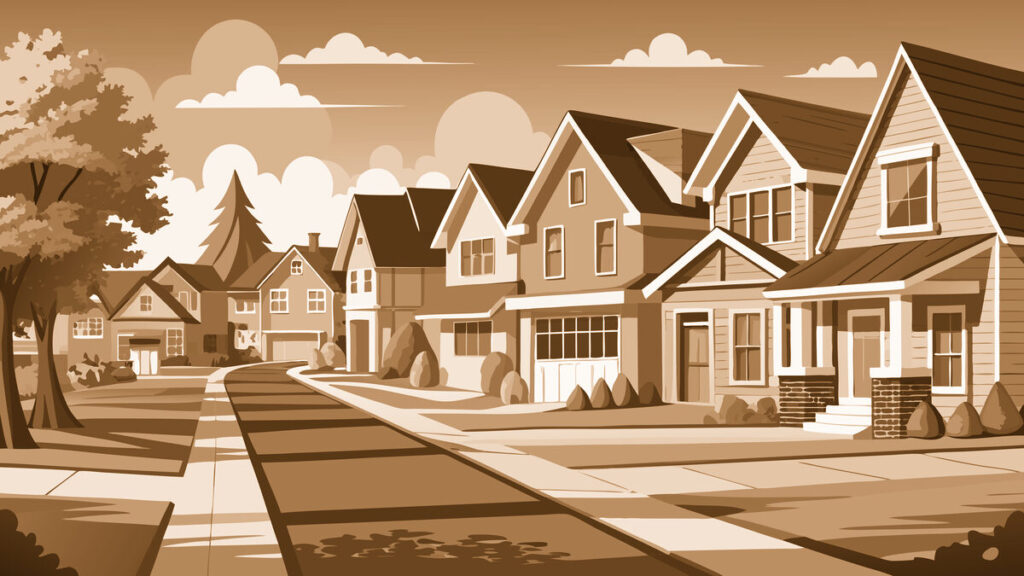
Nestled beneath a canopy of oaks and flowering dogwoods, the Country Club neighborhood stands as one of Clarksdale, Mississippi’s most storied and cherished communities. It’s a place where the past and present intermingle—where each street and home tells a story, and where generations have built a life steeped in hospitality, pride, and deep Southern roots. For long-time residents and newcomers alike, the Country Club neighborhood is a testament to Clarksdale’s evolving history and enduring sense of community.
The Origins: From Cotton Fields to a Community
The history of the Country Club neighborhood dates back to the early 20th century, when Clarksdale was beginning to spread outward from its bustling downtown core. At the time, the city was rapidly growing as the economic and musical heart of the Mississippi Delta, thanks to fertile cotton fields and a vibrant rail system.
The area that would become Country Club was initially comprised of farmland and open pasture, owned by prominent local families. As Clarksdale prospered and the city sought to attract professionals, merchants, and community leaders, developers eyed the rolling plots north and west of downtown for expansion. In the 1920s, this vision began taking shape, driven by the desire to create a green, inviting residential district unlike any other in Coahoma County.
The Name: The Clarksdale Country Club Connection
The neighborhood borrowed not only its sense of exclusivity and tranquility from its surroundings but also its name from the Clarksdale Country Club—a social and recreational hub whose importance cannot be overstated. Established in the 1920s, the Country Club quickly became the nucleus around which the neighborhood grew.
Located off Country Club Road, the Clarksdale Country Club featured a stately clubhouse, nine-hole golf course, and tennis courts bordered by magnolias and azaleas. The club’s events—be it Fourth of July cookouts, charity balls, or golf tournaments—became a magnet for Clarksdale’s residents, giving the surrounding area an air of gracious living and camaraderie. It wasn’t long before people began referring to the elegant homes that sprang up nearby simply as “the Country Club neighborhood.”
Historical Milestones
The growth of the Country Club neighborhood mirrors the changing fortunes and spirit of Clarksdale itself. Early development centered around tree-lined streets such as:
- Country Club Road
- Catalpa Street
- Westover Drive
- Sunflower Avenue
Homes in these blocks, many dating to the 1930s through 1950s, were designed with an emphasis on Southern elegance—broad porches, manicured lawns, and architectural details that set them apart from other Clarksdale neighborhoods. Over time, the neighborhood continued to attract doctors, lawyers, educators, and business leaders, reinforcing its status as a core part of local life.
Notable moments include:
- The Great Depression and World War II: While Clarksdale, like much of America, faced economic hardships, the Country Club neighborhood retained its community spirit, organizing social gatherings and supporting local war efforts.
- Post-war Expansion: The 1950s saw a construction boom, with ranch-style homes and modern amenities cropping up along Sunflower Avenue and Westover Drive, welcoming a new generation.
- The Civil Rights Era: Although the city faced social changes and challenges, the neighborhood remained a place where neighbors looked out for each other, supporting the integration of schools and the local community’s gradual progress toward equity.
Notable Landmarks and Institutions
While the Clarksdale Country Club itself remains the neighborhood’s most prominent institution, the area also boasts several other landmarks and points of pride:
- Clarksdale Country Club: Still an active hub for both sports and social events, the club’s grounds have hosted countless family reunions, graduations, and holiday celebrations.
- Shelby Drive Park: A beloved green space just east of the club, where families gather for picnics and outdoor play, shaded by ancient pecan trees.
- Historic Residences: The Spanish Colonial and Colonial Revival homes along Country Club Road and Catalpa Street are not just beautiful—they are living pieces of Clarksdale’s past, many lovingly restored by current owners.
- Nearby Institutions: Just a few minutes away, institutions such as Lee Academy and the Clarksdale-Coahoma County Library enrich the lives of neighborhood families, connecting them to the broader Clarksdale community.
Evolving Through the Decades
Change has come steadily to the Country Club neighborhood—but always at a pace set by residents’ desire to preserve its unique character. Today, newer homes stand alongside those built nearly a century ago, reflecting evolving tastes while honoring tradition.
- In recent years, community associations have played an active role in organizing neighborhood events—from Easter egg hunts to holiday light tours—ensuring that the porch-to-porch friendliness remains alive.
- Many of the neighborhood’s youngest residents can be seen riding bikes along Westover Drive, echoing their parents and grandparents before them.
- The Country Club itself, while honoring its traditions, has adapted to the times—offering fitness and yoga classes, updating dining options, and welcoming a diverse membership.
What Makes Country Club Special
Ask any longtime resident what sets Country Club apart, and you’ll hear variations on a theme: it’s a place where history is respected, neighbors become friends, and children grow up in a safe and beautiful setting. The neighborhood’s leafy streets and historic homes serve as a constant reminder of Clarksdale’s enduring values: hospitality, hard work, and community.
For visitors, a driving tour down Country Club Road or an early morning walk along the fairways is often enough to appreciate what locals have known for generations—this is a neighborhood that cherishes its past, welcomes its future, and stands as a shining example of Clarksdale’s rich heritage.
In Closing
From its beginnings as farmland to its modern-day status as one of Clarksdale’s premier neighborhoods, the Country Club area remains woven into the fabric of local life. Through every chapter—booms and busts, celebrations and challenges—its spirit endures. For those lucky enough to call it home, the Country Club neighborhood is more than just a place; it’s a legacy.